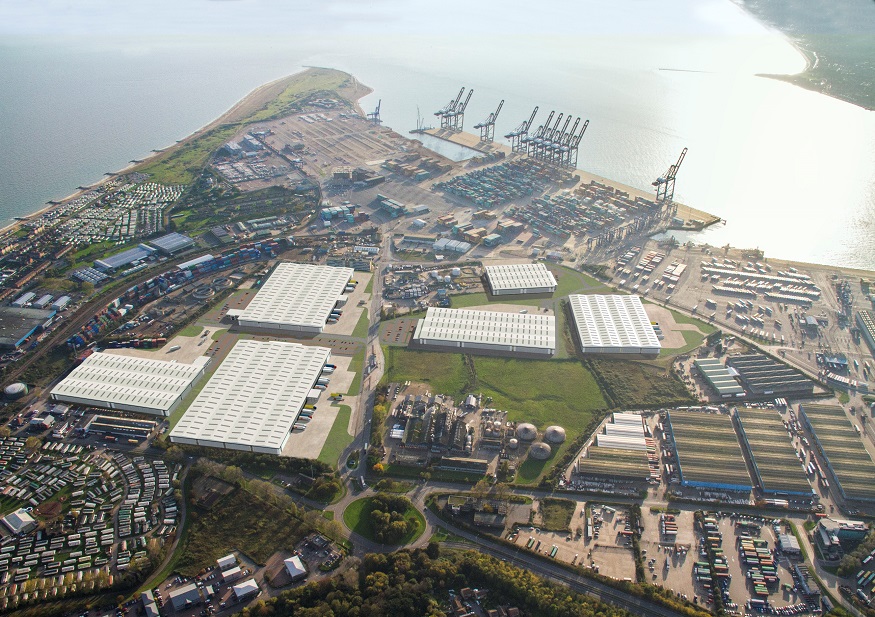

Plans for a direct ferry link between Scotland and mainland Europe have moved forward after the UK Government committed £3m to upgrade infrastructure at the Port of Rosyth.
The investment is conditional on a commercial agreement between port operator Forth Ports and a ferry operator, possibly DFDS, as well as approval of a business case.
Chancellor Rachel Reeves said the funding would support economic growth and infrastructure development.
“Backing Rosyth with this £3 million investment would be a major boost to Scotland’s infrastructure and tourism, and would make the area a more attractive place to live, work and start a business,” she said.
Scottish Secretary Douglas Alexander said the proposed route could strengthen trade links and support Scottish businesses.
“This new direct ferry service would connect Scotland to Europe’s doorstep… It would boost tourism, open up new markets for Scottish businesses, create jobs, take freight off our roads and grow Scotland’s economy,” he said.
Industry figures also indicated the project is progressing, though not yet finalised.
“This is an important step in bringing a new route between Scotland and mainland Europe closer to reality,” said Mathieu Girardin, head of DFDS’s ferry division, adding that further elements still need to be addressed.
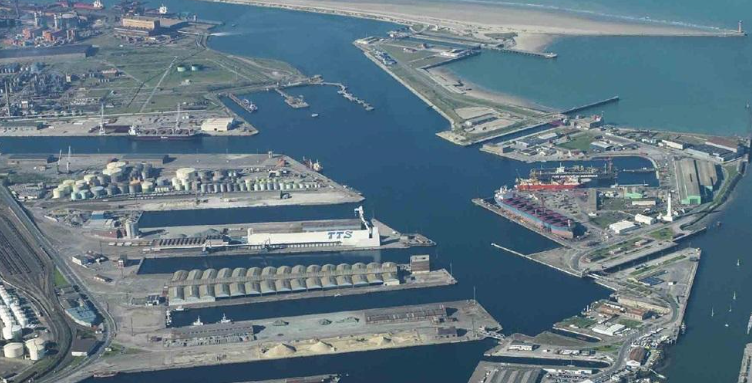
Daniel Deschodt, from the Port of Dunkirk, said the direct link between nations is a significant strategic asset.
“It will stimulate port activity, boost local employment, and strengthen the logistics, competitiveness, and tourism of both regions within Europe.”
Forth Ports chief executive Stuart Wallace said the investment would help create the conditions needed to bring the service forward, while the Port of Dunkirk described the proposed link as a strategic asset that could strengthen trade and connectivity.
The route would connect directly into Dunkirk’s rail-linked logistics network, providing access to major European markets. The European Union accounts for around 45% of Scottish exports, and the link is expected to improve export efficiency while supporting tourism and regional economic activity. If agreed, the service would represent a significant shift in Scotland’s transport links with Europe, restoring a direct maritime route that has been absent since 2010.